


We use cookies to enhance your browsing experience, and analyse our traffic. By clicking "Accept Specific", you consent to our use of cookies. View our Privacy Policy


When we think about sexual health, things like STI testing, contraception and safer sex might be the first things that come to mind. But sexual health is about much more
If you’ve had unprotected sex, you might be wondering how soon you should get tested for a sexually transmitted infection (STI). It can be tempting to test straight away for
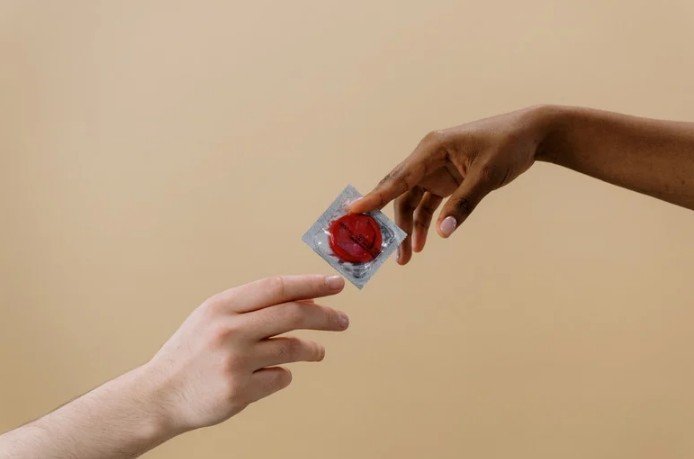
If you have partners with different bodies, whether you’re queer, bisexual, pansexual, polyamorous, non-monogamous, or just figuring things out, it’s completely normal to wonder what contraception you actually need. There
Finding out you have an STI can be stressful enough, telling someone else about it can feel even harder. You might be worried about awkwardness, rejection, or being judged. You
Let’s be honest, talking about sex can feel awkward. Even if you’re confident in other parts of your life, saying what you like (or don’t like) in bed can bring
We hope you are well and looking forward to getting into the festive spirit. Did you know that within the UK, September is the most common month for somebody to