


We use cookies to enhance your browsing experience, and analyse our traffic. By clicking "Accept Specific", you consent to our use of cookies. View our Privacy Policy


You’ve probably heard the terms HIV and AIDS used together, sometimes even as if they mean the same thing. But they don’t. Understanding the difference is important, not just for
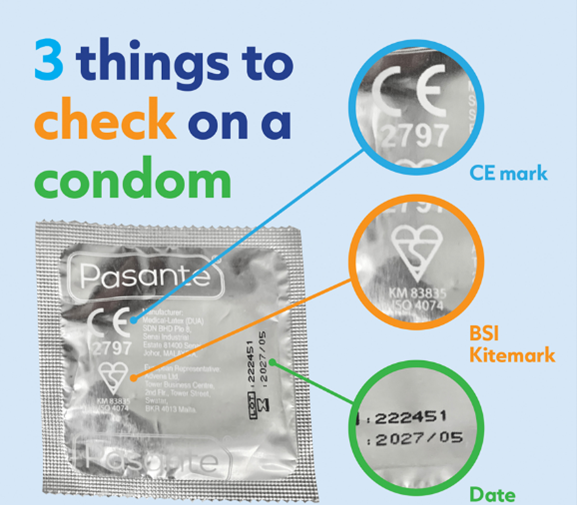
At Suffolk Sexual Health Service, we provide a variety of different free condoms such as; Flavoured condoms (chocolate, mint, strawberry) Textured condoms (ribbed and dotted) Heat reactive condoms (ones that
Experiencing trauma can affect many parts of life, including how we feel about sex and intimacy. Whether your trauma is connected to a sexual experience or not, it can leave
Myth-busting everyday STI worries - what’s real vs what’s rubbish. We’ve all heard the stories: “You can catch something from a toilet seat!” or “Be careful using hotel towels!” But
Finding out you’ve tested positive for a sexually transmitted infection (STI) can feel worrying. And if your partner gets tested and their results come back negative, you might be left
Contraception is designed to give you freedom and control over your sexual health, but it’s natural to wonder how it might affect your mood or mental wellbeing. The truth is,