
We use cookies to enhance your browsing experience, and analyse our traffic. By clicking "Accept Specific", you consent to our use of cookies. View our Privacy Policy


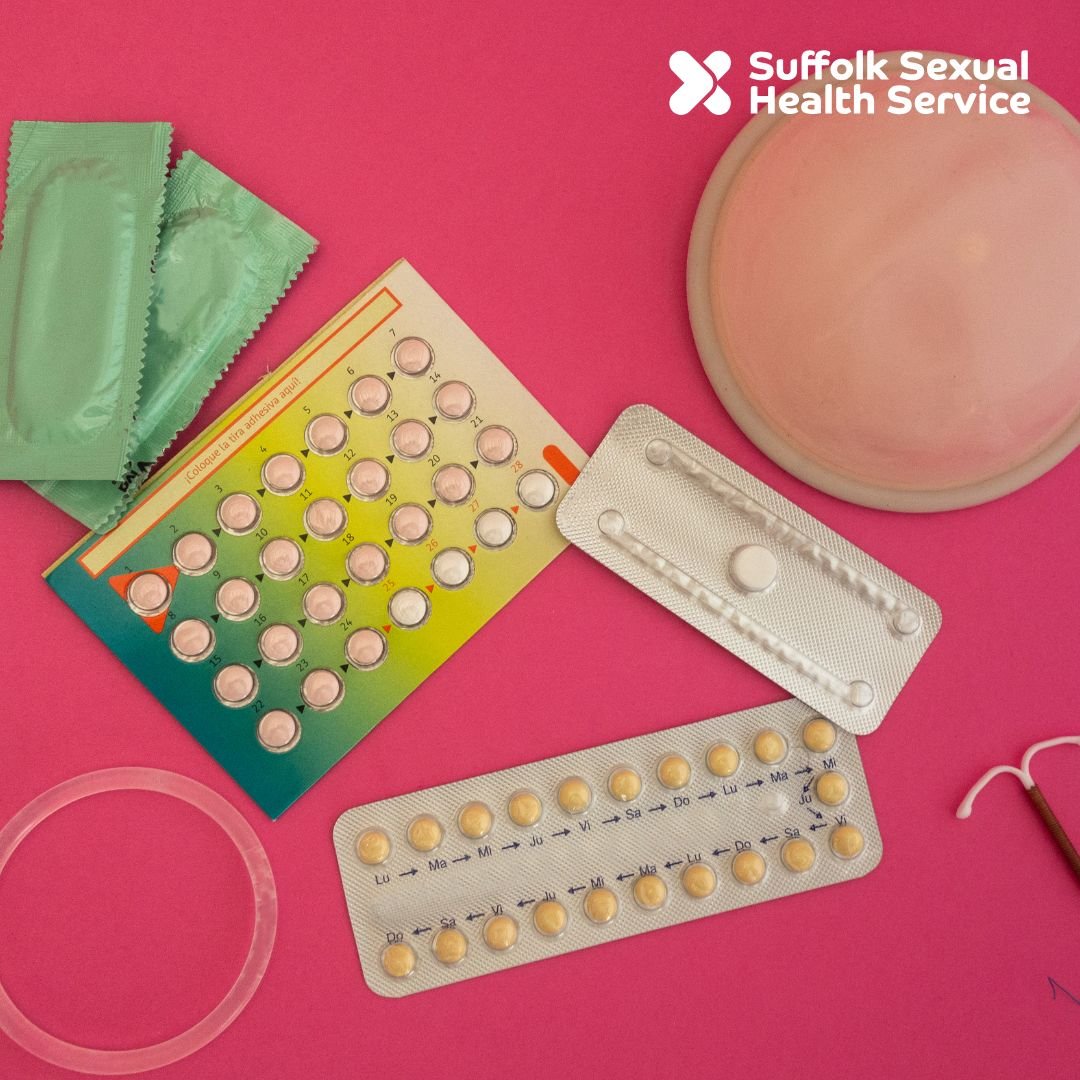
In recognition of World Contraception Day, Friday 26 September 2025, Suffolk Sexual Health Service is encouraging residents to explore Long-Acting Reversible Contraception (LARC), a safe, effective and convenient option for
We are excited to bring you quarterly updates, packed with free resources, training opportunities, the latest research and guidance and key dates for your diary. A quick overview of what
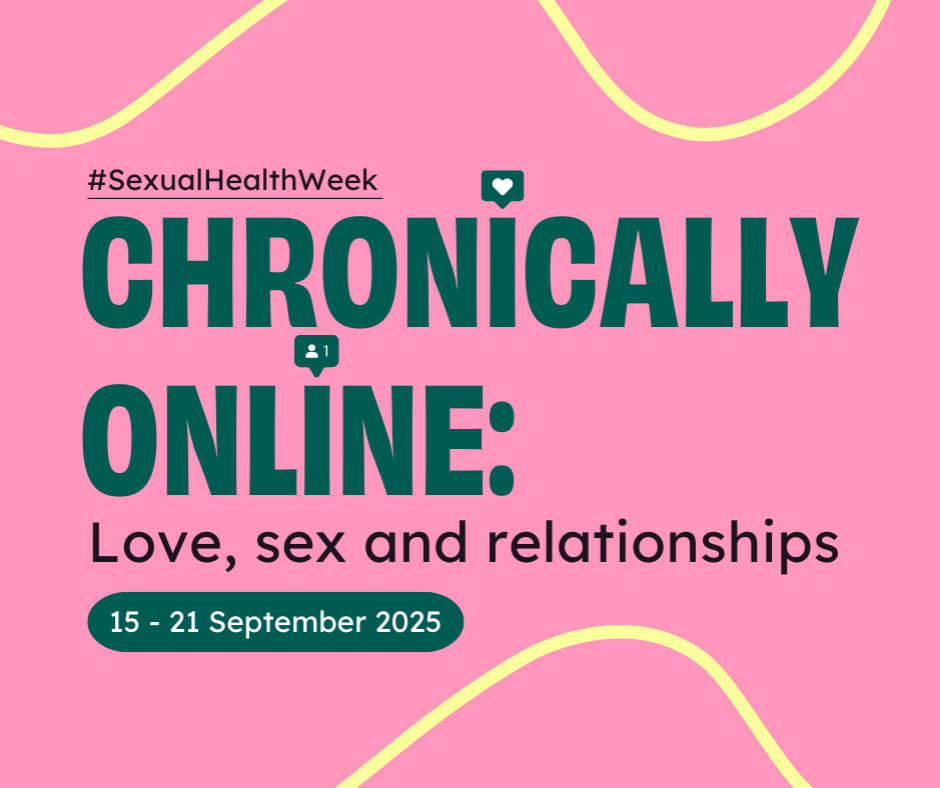
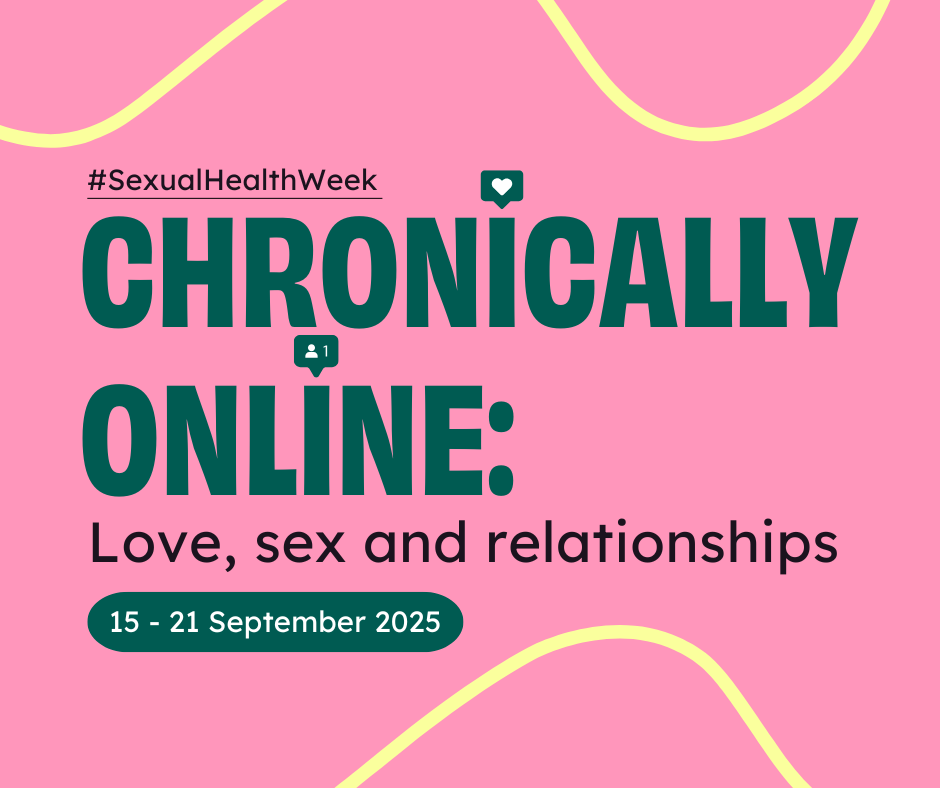
Suffolk Sexual Health Service, delivered by Provide Community and commissioned by Suffolk County Council, is marking Sexual Health Week 2025 (Monday 15 to Sunday 21 September), with a focus on
First of All - No, It Doesn’t Mean Something’s Wrong If you or your partner aren’t having sex at the moment, that’s completely okay. Relationships can go through all kinds
What People Don’t Know About Chlamydia Chlamydia is one of the most common sexually transmitted infections (STIs) in the UK, especially among young people under 25. But what many don’t
Going Chronically Online (September 15–21) This year’s Sexual Health Week theme is “Chronically Online” a powerful invitation to reflect on how our digital lives shape the way we think about