“It Hurts When I Have Sex. Should I Just Push Through?”

Short answer: No. Sex should not be something you “just tolerate.” Pain during sex is common, but it is not something you should ignore or push through. If sex hurts, your body is telling you something. And that deserves attention, not shame. First: You’re Not Overreacting Pain during sex can happen for lots of reasons. […]
“I Love Them, But I Don’t Want the Same Things Sexually. What Now?”

You care about your partner. The relationship works in lots of ways. But sexually? You’re not on the same page. Maybe one of you has a higher sex drive. Maybe one of you wants to try things the other doesn’t. Maybe your interests just don’t quite match. This is incredibly common and it doesn’t automatically […]
Can I Take a Break From Contraception?
You might have seen people online talking about taking a “contraception holiday”, stopping their method for a while to “let their body reset.” But is that safe? And is it necessary? Do I Need a Break? For most people, no. Hormonal contraception does not build up in your body. Once you stop, the hormones leave […]
What’s the Best Contraception If I Have a Partner With a Penis and One With a Vagina?

If you have partners with different bodies, whether you’re queer, bisexual, pansexual, polyamorous, non-monogamous, or just figuring things out, it’s completely normal to wonder what contraception you actually need. There isn’t one single “best” option. For many people, the answer is using different methods for different situations. Think about what you’re trying to prevent Contraception […]
How Do You Tell Someone You’ve Got an STI?
Finding out you have an STI can be stressful enough, telling someone else about it can feel even harder. You might be worried about awkwardness, rejection, or being judged. You might even feel embarrassed or ashamed. Let’s be clear from the start: having an STI is common, treatable, and nothing to be ashamed of. First: […]
How to Talk About What You Want in Bed (Without Feeling Embarrassed)

Let’s be honest, talking about sex can feel awkward. Even if you’re confident in other parts of your life, saying what you like (or don’t like) in bed can bring up embarrassment, nerves, or the fear of “making it weird”. The good news? You’re not bad at communication, you’re just human. And it does get […]
Welcome to the Suffolk Sexual Health newsletter!

We hope you are well and looking forward to getting into the festive spirit. Did you know that within the UK, September is the most common month for somebody to be born in? This is attributed to more conceptions happening around Christmas time nine months prior. This means that at Suffolk Sexual Health Service, we […]
Can Contraception Help With Things Other Than Pregnancy?

When most people think about contraception, preventing pregnancy is usually the first thing that comes to mind. But did you know that many types of contraception can also help with other health issues; like acne, painful periods, and conditions such as endometriosis or PCOS (polycystic ovary syndrome)? Contraception isn’t one-size-fits-all, and some methods can have […]
What Happens If I Miss One Pill? Or Two? Or a Whole Pack?
Life happens. Alarms get ignored. Packs get left at home. And suddenly you’re staring at your pill strip thinking, “Wait… did I take that yesterday?” First things first: missing a pill is common and it doesn’t automatically mean you’re going to get pregnant. What matters is how many you’ve missed, what type of pill you’re […]
Can You Catch the Same STI Twice?
Short answer: yes, you absolutely can and it happens more often than people realise. A lot of people think that once you’ve had an STI and been treated, you’re “immune” or safe from getting it again. Unfortunately, that’s not how it works. You can catch the same STI more than once, even if you’ve been […]
Sex, Safety and Being Yourself: Let’s Talk About It

Talking about sex, relationships and identity can feel awkward but it really shouldn’t. Whether you’re just starting to figure things out, in a relationship, or just curious, you deserve honest information, no judgement and real support. At Suffolk Sexual Health Service, young people ask us about all sorts of things from consent and body confidence […]
Provide Community’s statement on providing healthcare to asylum seekers and refugees

At Provide Community our core mission is to provide high-quality, compassionate, and accessible healthcare to all members of our community. For many years, we have been providing healthcare services to some of the most vulnerable people in our community. This includes delivering inclusive services to asylum seekers and refugees, recognising that they are a vulnerable […]
Can You Still Get STIs If You’re in a Same-Gender Relationship?

There’s a common myth that sexually transmitted infections (STIs) only affect people in heterosexual relationships, but that’s simply not true. Anyone, regardless of gender or sexuality, can get an STI if they’re sexually active. Talking openly about sexual health in same-gender relationships matters, because too often, these conversations go unspoken. STIs Don’t Discriminate STIs like […]
What’s the Difference Between HIV and AIDS – And Why Does Language Matter?
You’ve probably heard the terms HIV and AIDS used together, sometimes even as if they mean the same thing. But they don’t. Understanding the difference is important, not just for accuracy, but because the words we use can shape how people living with HIV are treated and perceived. What Is HIV? HIV stands for Human […]
Fundoms…still as safe as a regular condom?
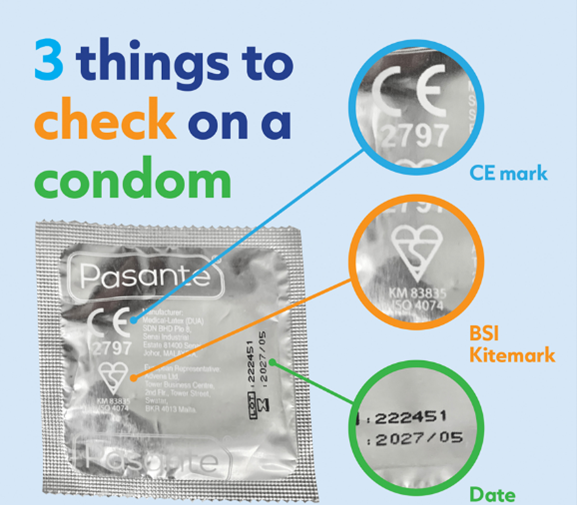
At Suffolk Sexual Health Service, we provide a variety of different free condoms such as; Flavoured condoms (chocolate, mint, strawberry) Textured condoms (ribbed and dotted) Heat reactive condoms (ones that will give off a cool or warm sensation) And of course, our famous glow in the dark condoms These are usually only given out by […]
Sex After Trauma: How to Reclaim Intimacy on Your Terms

Experiencing trauma can affect many parts of life, including how we feel about sex and intimacy. Whether your trauma is connected to a sexual experience or not, it can leave lasting effects on how you view your body, your boundaries, and your relationships. There’s no “right” timeline or one-size-fits-all way to reconnect with your sexual […]
Can You Catch an STI From a Towel, Toilet Seat or Hot Tub?

Myth-busting everyday STI worries – what’s real vs what’s rubbish. We’ve all heard the stories: “You can catch something from a toilet seat!” or “Be careful using hotel towels!” But when it comes to sexually transmitted infections (STIs), there’s a lot of misinformation out there. Let’s clear things up once and for all. The Toilet […]
I Tested Positive, But My Partner Didn’t. How Does That Work?

Finding out you’ve tested positive for a sexually transmitted infection (STI) can feel worrying. And if your partner gets tested and their results come back negative, you might be left thinking: how is that possible? You’re not alone, this is a really common question. The good news is that there are many reasons why your […]
Can contraception affect my mental health?
Contraception is designed to give you freedom and control over your sexual health, but it’s natural to wonder how it might affect your mood or mental wellbeing. The truth is, hormonal contraception can affect mental health for some people, but not everyone will experience changes. At Suffolk Sexual Health Service, we want to give you […]
Suffolk Sexual Health Service shines spotlight on Long-Acting Reversible Contraception this World Contraception Day
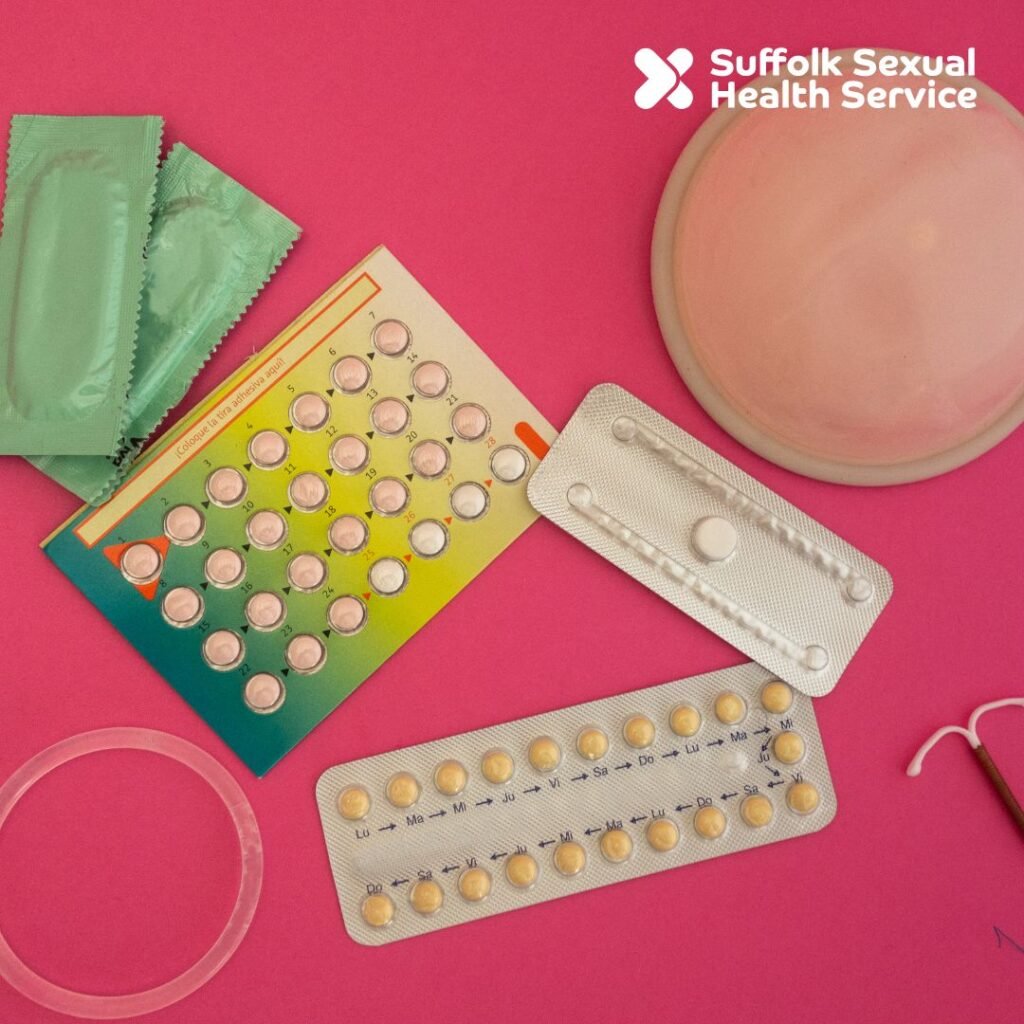
In recognition of World Contraception Day, Friday 26 September 2025, Suffolk Sexual Health Service is encouraging residents to explore Long-Acting Reversible Contraception (LARC), a safe, effective and convenient option for preventing unplanned pregnancies. Delivered by Provide Community and commissioned by Suffolk County Council, Suffolk Sexual Health Service offers a range of free, confidential LARC services, […]
Welcome to our first Suffolk Sexual Health Newsletter!
We are excited to bring you quarterly updates, packed with free resources, training opportunities, the latest research and guidance and key dates for your diary. A quick overview of what you can find in this newsletter: • Free relationships and sex education (RSE) resources and videos including easy read resources • Information about the new […]
Suffolk Sexual Health Service Supports Young People and Families for Sexual Health Week 2025
Suffolk Sexual Health Service, delivered by Provide Community and commissioned by Suffolk County Council, is marking Sexual Health Week 2025 (Monday 15 to Sunday 21 September), with a focus on digital wellbeing, consent, and supporting young people in an increasingly online world. This year’s national theme, “Chronically Online”, explores how the internet, and digital culture, […]
“We’re Not Having Sex Right Now – Does That Mean Something’s Wrong?”

First of All – No, It Doesn’t Mean Something’s Wrong If you or your partner aren’t having sex at the moment, that’s completely okay. Relationships can go through all kinds of phases, and not having sex for a while (aka a dry spell) doesn’t mean your relationship is broken, or that anyone’s doing something wrong. […]
STI Monthly Spotlight: Chlamydia and how to prevent it
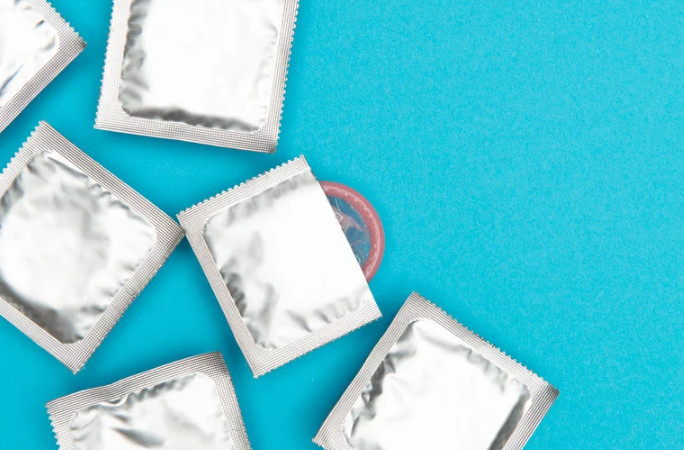
What People Don’t Know About Chlamydia Chlamydia is one of the most common sexually transmitted infections (STIs) in the UK, especially among young people under 25. But what many don’t realise is just how quiet it can be. Around 70% of women and 50% of men with chlamydia don’t experience any symptoms at all, making […]
Suffolk Sexual Health Service – Sexual Health Week 2025
Going Chronically Online (September 15–21) This year’s Sexual Health Week theme is “Chronically Online” a powerful invitation to reflect on how our digital lives shape the way we think about sex, relationships, and wellbeing. From dating apps to social media and AI, our online interactions are changing everything – from how we meet people to […]
Provide Community launches free period product scheme across seven sexual health clinics in Essex and Suffolk

Provide Community, an employee-owned community interest company, is proud to announce the launch of a new scheme providing free period products across seven of its sexual health service clinic locations. This initiative is part of Provide Community’s ongoing commitment to creating social value, tackling period poverty, and supporting the wellbeing of patients, visitors, and colleagues. […]
Is It Normal To Feel Weird After Starting Contraception?

Short answer? Yes, it totally can be. Starting a new form of contraception is a bit like giving your body a new set of instructions – and sometimes, it takes a little while to get the message. Whether you’ve just started the pill, had an implant fitted, or you’re trying out the patch or injection, […]
Can Mouth Ulcers Be Passed to Genitals Through Oral Sex?
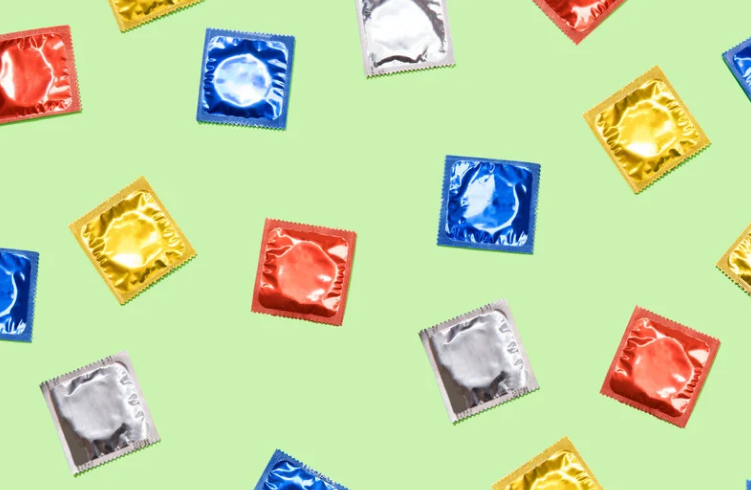
It’s a question people don’t often ask out loud, but it’s an important one. If you or your partner have a mouth ulcer and go on to have oral sex, can it cause an infection in the genital area? Is that considered an STI? And what should you do next? Let’s break it down clearly […]
Is Thrush an STI? Here’s What You Need to Know

It’s itchy. It’s uncomfortable. It’s common. But is thrush actually a sexually transmitted infection (STI)? If you’ve ever had thrush, or think you might have it now, you’re not alone. Let’s break down what it is, how you get it, and what to do next. So… Is Thrush an STI? No – thrush is not […]
Contraception Spotlight: Female Sterilisation

If you’re certain that you don’t want any (or more) children, female sterilisation is a permanent method of contraception to consider. It’s a safe and effective option for those seeking long-term birth control. We understand that this can be a sensitive topic for many people. Whether it’s a deeply personal choice or something you’re exploring […]
Exploring Relationship Diversity: Beyond Monogamy

Human relationships are as varied as the individuals who form them. While monogamy – being in a committed relationship with one person – is a common model, many people find fulfilment in alternative structures that better align with their values, desires, and lifestyles. Understanding these diverse relationship types can foster greater empathy, communication, and self-awareness. […]
STI Spotlight: Gonorrhoea – What You Need to Know

Gonorrhoea is a common sexually transmitted infection (STI) in the UK, particularly among people under 25. Often symptomless, it can lead to serious health issues if left untreated. What is Gonorrhoea? Gonorrhoea is caused by the bacterium Neisseria gonorrhoeae. It spreads through unprotected vaginal, anal, or oral sex, and by sharing unwashed sex toys. It […]
STI Spotlight: Understanding HIV and the Support Available in Suffolk

At Suffolk Sexual Health Service, we are committed to providing you with the knowledge and resources you need to maintain your sexual health. This month, we’re focusing on HIV – a topic that is crucial to understanding not just prevention but also support options available across Suffolk. Whether you’re looking for information on HIV testing, […]
How do you use and access Pharmacy Services in Suffolk?
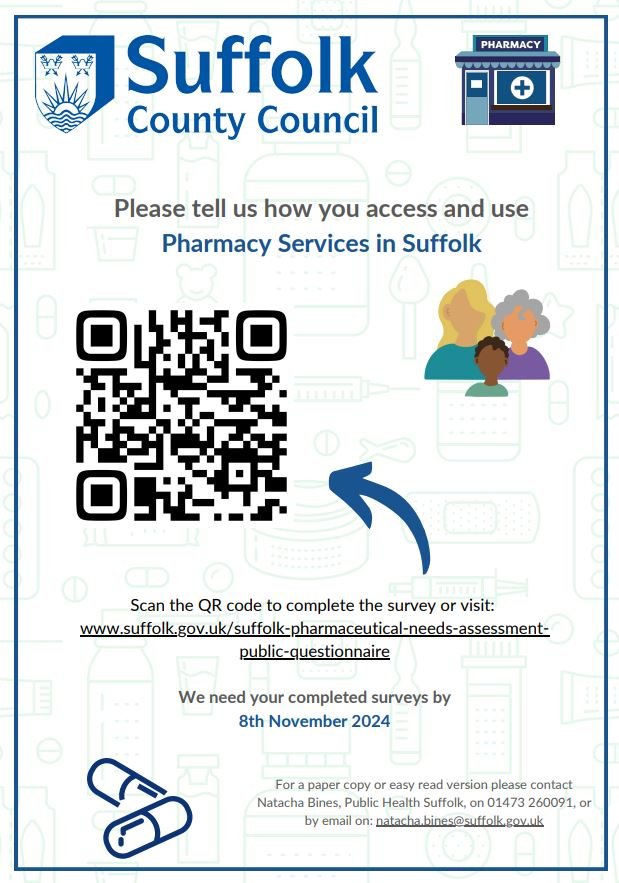
Please tell us how you access and use Pharmacy Services in Suffolk. Scan the QR code or click here to complete the short survey.
“Are You Feeling It?” – Suffolk Sexual Health Embraces Sexual Health Week

This September we are proud to announce our involvement in this year’s Sexual Health Week (Monday 9 to Sunday 15 September 2024). Themed “Are You Feeling It?”, the national campaign will promote sexual health awareness, mental wellbeing in relationships and education throughout the week and we will continue the promotion throughout the month of September. […]
Suffolk Sexual Health Service Launches with Provide Community at the Helm

In a notable milestone for community health services in Suffolk, the new Suffolk Sexual Health Service, commissioned by Suffolk County Council, launched last week, on Wednesday 1 May 2024. This pivotal initiative, transitioning from the current iCash service facilitated by Cambridgeshire Community Services NHS Trust, will now be delivered by Provide Community, a leader in […]
Clinic transitional opening times for Suffolk Sexual Health Service
As part of its commitment to providing accessible and comprehensive sexual health services, Suffolk Sexual Health Service (SSHS) has announced transitional opening times for its clinics across the region. These changes will take effect starting May 1, 2024, ensuring that all community members have ample opportunity to access the services they need at convenient times. […]
Polite Notice – Attending appointments with Children

Where possible please attend your appointment alone. If you do not have childcare, we recommend you reschedule your appointment to a more suitable time. We understand that this may not always be possible. If you do need to bring your child to the clinic with you, they must be accompanied by an adult who is […]
Important Contraception News Update

Good news ladies, if you currently have a Mirena®, Benilexa® or Levosert® hormonal coil in you can now safely rely on it as effective contraception method for up to 8 years. New and existing users can be advised that their device can be used for contraception for eight years and that this is now within licensed […]